Career-Track Students
Future airline, charter, corporate, and instructor pilots working through the full private → instrument → commercial → CFI sequence with stage-by-stage accountability.
Aspire Aviation trains pilots at Republic Airport (KFRG) in Farmingdale — a structured path from private pilot through instructor ratings for people who intend to fly professionally, not just once. If you are planning a career in aviation, this is where the groundwork gets done properly.
Who We Train
Plenty of people take one flight and never come back. We are built for the other kind — the student who wants a certificate, then the next one, on a clear timeline toward a professional cockpit.
Future airline, charter, corporate, and instructor pilots working through the full private → instrument → commercial → CFI sequence with stage-by-stage accountability.
Long Island residents who want to earn real certificates and keep building capability — not a novelty experience, but genuine, structured proficiency.
Your Training Environment
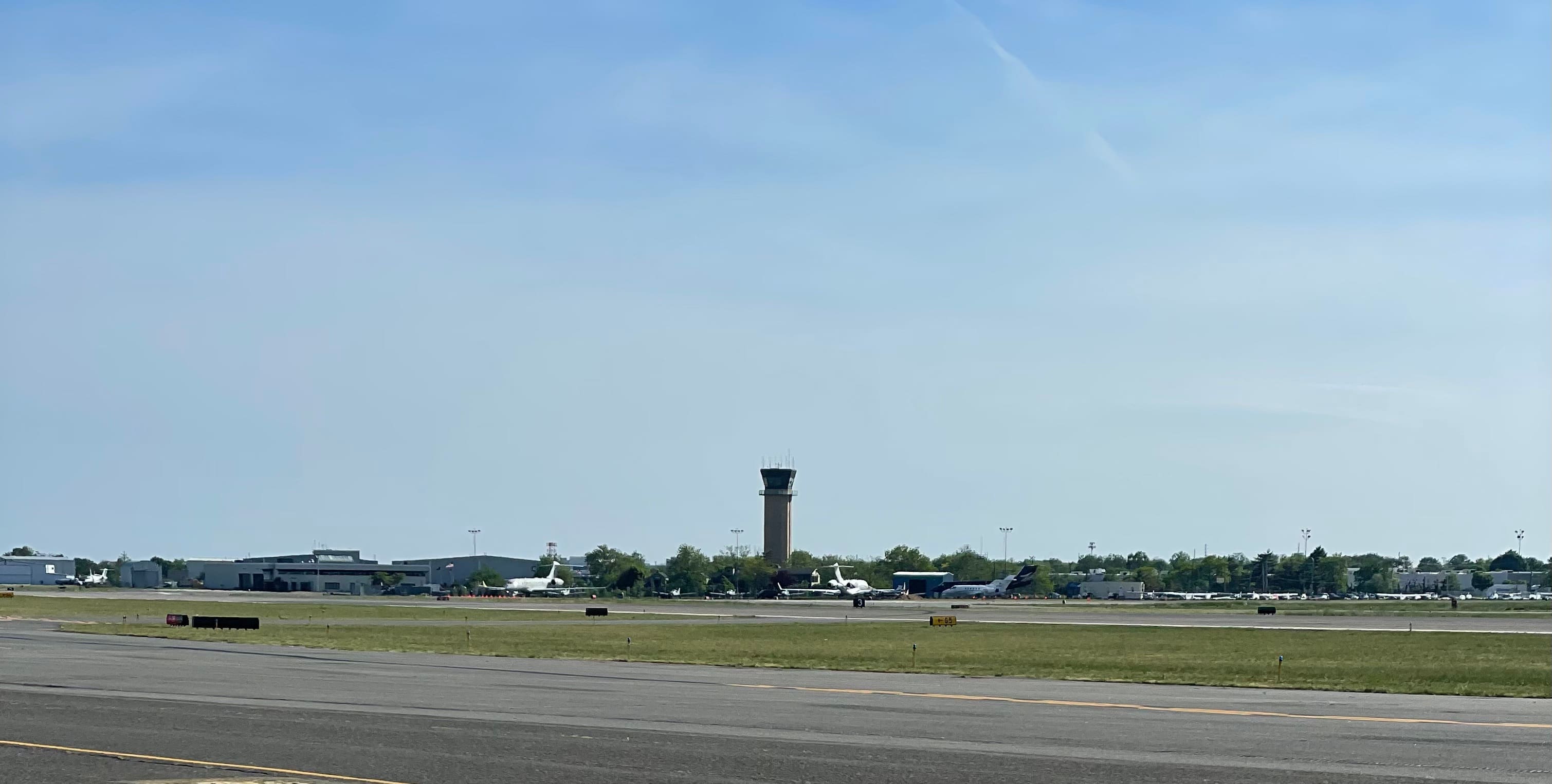
Republic Airport is a Class D controlled field on the edge of the New York Class B — one of the most demanding airspace environments in the country. Students who learn here are ahead before they ever leave the pattern.
You are talking to a live tower, reading back clearances, and managing real traffic from your first dual lesson — not after your checkride.
Cross-country training out of KFRG means learning to read and navigate complex, high-density airspace. That experience transfers directly to professional flying.
Sharing the field with corporate jets, cargo flights, and other trainers forces the situational awareness that quieter airports simply do not build.
Republic gets busy. When hold times run long, we put that time to work — tower communication review, airspace study, and weather briefing practice.
Train On Real Equipment
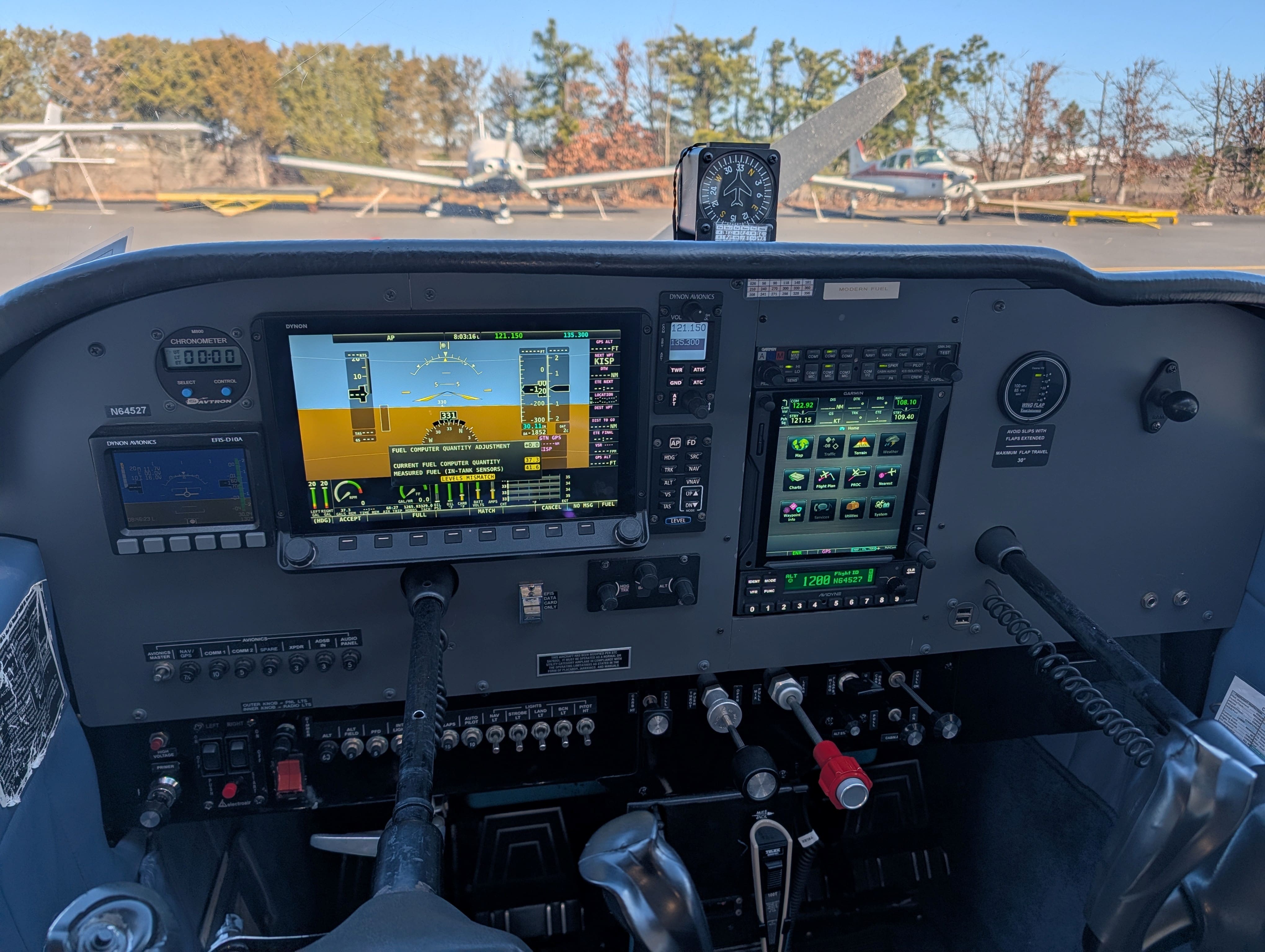
Career-track training only works if you learn on equipment that mirrors a professional cockpit. Our Cessna 172 fleet is set up to do exactly that.
With multiple aircraft on the line, your training keeps moving even when one airplane is down. You will not always fly the same tail number, and that is by design — it keeps your schedule and your proficiency on track.
Aircraft equipped with modern Garmin avionics — including GI 275 displays and the GTN 750Xi navigator — so you train on the same glass and GPS-based navigation you will use in a professional flight deck.
A Structured Path
Aspire currently trains under Part 61, which lets instructors tailor pacing to each student. A Part 141 curriculum is in progress — a syllabus-driven, FAA-approved structure built for students who want a defined, milestone-based path toward a professional certificate.
Private Pilot
6-9 months
Instrument Rating
3-5 months
Commercial Pilot
4-7 months
CFI / CFII
2-4 months
See the full breakdown with prerequisites and cost ranges on the career programs page →
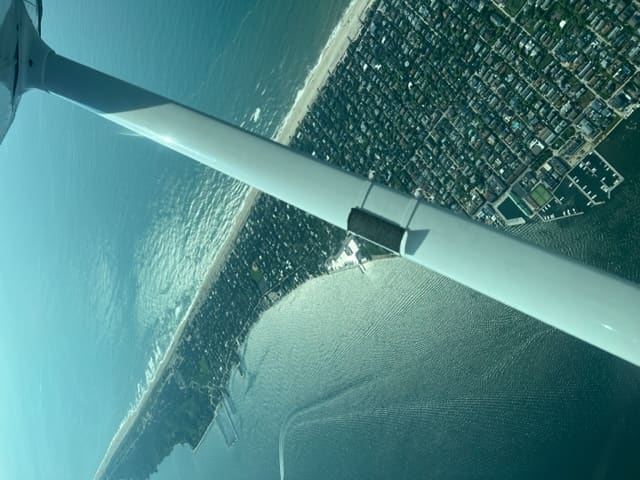
Start with a discovery flight over the Long Island shoreline. You will take the controls of a Cessna 172 with an FAA-certified instructor and leave with a clear, honest read on what full training will take.
Tell us your goal — a license for personal flying or a full professional path — and we will map the certificates, timeline, and cost so you can plan with confidence.